Source Denim 5 Panel Baseball Caps for Fashion, Work, and Events
Find 30 denim 5 panel baseball caps from verified manufacturers in China. Compare options featuring 6-panel styles, custom embroidery, and SGS-certified production. Ideal for unisex apparel sourcing with flexible MOQs and OEM services; compare the available evidence and request quotations based on your requirements.
Key considerations
Products List




Comprehensive Sourcing Guide
Denim 5 Panel Baseball Caps Sourcing Guide
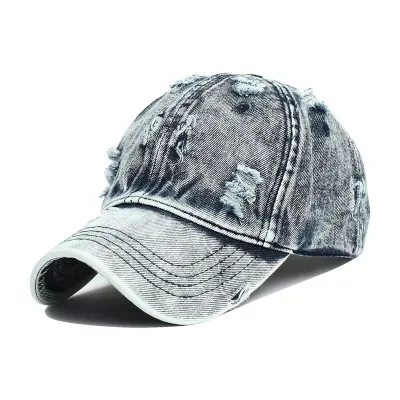
Sourcing denim 5 panel baseball caps requires a nuanced understanding of both material properties and structural design. Unlike traditional six-panel caps, the five-panel construction offers a distinct silhouette that is often preferred for casual, streetwear, or leisure styles. Buyers must recognize that while the core keyword specifies denim, the observed market data indicates a significant presence of cotton-based products with embroidered patterns. This discrepancy highlights the importance of verifying material composition during the initial inquiry phase, as suppliers may use "denim" loosely to describe heavy cotton twill or may offer both options. Understanding this distinction is critical for aligning product expectations with actual supply capabilities, ensuring that the final goods meet the intended aesthetic and durability requirements for your target market.
The procurement process for these caps involves navigating a variety of customization options, including logo placement, panel styling, and brim configurations. Suppliers often provide OEM and ODM services, allowing for extensive personalization such as 3D embroidery, flat embroidery, or screen printing. However, the availability of specific features like snapback closures, adjustable straps, or specific crown heights can vary significantly between manufacturers. Buyers should prioritize clear communication regarding these structural details to avoid misunderstandings. Additionally, the seasonal applicability of these caps, typically spring and autumn, suggests that inventory planning should account for weather-dependent demand cycles. Establishing a strong relationship with a supplier who can handle complex customizations while maintaining consistent quality is essential for long-term success in this niche.
Product Scope and Observed Listing Signals
The current market landscape for baseball caps reveals a diverse range of product attributes that buyers must carefully evaluate. Observed listings indicate a price range of $0.79 to $8.28 USD, with minimum order quantities (MOQs) varying from 5 to 500 pieces. This wide variance suggests that pricing is heavily influenced by order volume, material complexity, and customization depth. For instance, simple cotton caps with basic embroidery may fall at the lower end of the spectrum, while intricate designs or premium materials like actual denim could command higher prices. Buyers should be aware that the "observed" data may not reflect every supplier's capabilities, and some listings might represent sample prices or promotional offers rather than standard bulk rates.
Another critical signal is the prevalence of specific product features in the market, such as six-panel constructions and various embroidery techniques. While the core keyword specifies five panels, many suppliers offer six-panel styles, which are more traditional in baseball cap design. This highlights the need for buyers to explicitly state their structural preferences during the sourcing process. Additionally, the availability of customization options, including custom logos and hang tags, is widespread among manufacturers. Buyers should leverage these signals to identify suppliers who align with their specific needs, whether they prioritize low MOQs for testing new designs or high-volume production capabilities for established brands.
Technical Specifications to Verify
Verifying technical specifications is paramount to ensuring that the final product meets your quality standards and design requirements. Key attributes to confirm include the material composition, which may range from 100% cotton to blended fabrics, and the specific panel count, whether five or six. Buyers should also inquire about the brim type, as options may include curved, flat, or adjustable brims, each affecting the cap's overall look and functionality. Additionally, the crown structure, whether it includes a structured crown or a softer, unstructured design, plays a significant role in the cap's durability and shape retention. These details must be clearly defined in the purchase order to avoid discrepancies between the sample and the bulk production.
Further technical verification should focus on the printing and embroidery methods used for logo application. Suppliers may offer 3D puff embroidery, flat embroidery, or screen printing, each with distinct aesthetic and durability characteristics. Buyers should request samples to assess the quality of these techniques, paying close attention to stitch density, color accuracy, and adhesion. The hat size, typically ranging from 56cm to 60cm, should also be confirmed, along with any adjustable features like snapbacks or straps. Additionally, the packing method, such as polybag or carton packaging, can impact shipping costs and product protection. Ensuring all these technical details are agreed upon upfront will streamline the production process and reduce the risk of costly errors.
Compliance and Safety Documentation
Compliance and safety documentation are essential components of the sourcing process, particularly when importing goods from international suppliers. Buyers should request relevant certifications, such as SGS, ISO, or Fairwear audits, to verify that the manufacturer adheres to recognized quality and ethical standards. These certifications provide assurance that the production processes meet specific regulatory requirements, reducing the risk of non-compliance issues at customs or in the target market. Additionally, buyers should inquire about any material safety tests, such as those for harmful substances or allergens, to ensure the caps are safe for consumer use. This is particularly important for products intended for children or individuals with sensitive skin.
Beyond certifications, buyers should also consider the environmental and social impact of their sourcing decisions. Many manufacturers now offer sustainable production practices, such as the use of organic cotton or eco-friendly dyes. Buyers interested in these aspects should verify the supplier's claims through third-party audits or certifications. Additionally, understanding the supplier's labor practices and working conditions can help mitigate reputational risks. By prioritizing compliance and ethical sourcing, buyers can build a more resilient and responsible supply chain. This approach not only protects the brand's image but also aligns with growing consumer demand for ethically produced goods.
Cost Drivers and Commercial Terms
Understanding the cost drivers and commercial terms is crucial for effective budgeting and negotiation. The primary factors influencing price include material costs, labor expenses, and the complexity of customization. For example, intricate embroidery or multiple colorways can increase production costs, while larger order volumes may lead to economies of scale. Buyers should also consider shipping costs, which can vary significantly depending on the chosen transportation method, such as air freight or sea freight. Additionally, payment terms, such as PayPal or T/T, can impact cash flow and financial risk. It is advisable to negotiate favorable terms that balance risk and convenience for both parties.
Lead times are another critical commercial consideration, as they affect inventory planning and market responsiveness. Sample lead times typically range from 3 to 7 working days, while production lead times can extend from 15 to 20 days or longer, depending on order size and complexity. Buyers should factor in these timelines when planning product launches or restocking cycles. Furthermore, understanding the supplier's policies on revisions, cancellations, and quality disputes is essential for managing expectations. Clear communication regarding these terms can help prevent misunderstandings and ensure a smoother procurement process. By carefully evaluating these factors, buyers can make informed decisions that optimize cost and efficiency.
Supplier Qualification and Quality Control
Supplier qualification and quality control are vital steps in mitigating risk and ensuring product consistency. Buyers should conduct thorough due diligence on potential suppliers, verifying their business type, production capacity, and past performance. Manufacturer status is often preferred over trading companies, as it may offer better control over quality and pricing. Additionally, requesting references or case studies from previous clients can provide insights into the supplier's reliability and professionalism. Quality control measures, such as pre-production samples and in-line inspections, should be implemented to catch defects early in the process. This proactive approach helps minimize the risk of receiving substandard goods.
Effective quality control also involves establishing clear acceptance criteria and inspection protocols. Buyers should define specific quality standards for materials, stitching, and finishing, and communicate these expectations to the supplier. Regular communication throughout the production process can help address issues promptly and ensure alignment. Additionally, considering third-party inspection services can provide an objective assessment of product quality before shipment. By investing in robust supplier qualification and quality control processes, buyers can build a more reliable supply chain and maintain high product standards. This diligence is essential for protecting brand reputation and customer satisfaction.
Long-Term Procurement Checks
Long-term procurement checks are necessary to maintain supplier performance and adapt to changing market conditions. Regular audits and performance reviews should be conducted to assess the supplier's adherence to quality, delivery, and compliance standards. These checks help identify areas for improvement and ensure that the supplier continues to meet your evolving needs. Additionally, staying informed about industry trends and technological advancements can help you leverage new opportunities for innovation and efficiency. Building a collaborative relationship with your supplier, rather than a purely transactional one, can foster mutual growth and resilience. This approach encourages open communication and problem-solving, leading to better outcomes for both parties.
Furthermore, diversifying your supplier base can mitigate risks associated with single-source dependencies. Maintaining relationships with multiple suppliers provides flexibility and bargaining power, especially during supply chain disruptions. Regularly evaluating alternative suppliers can also help you stay competitive and responsive to market changes. By implementing these long-term procurement checks, you can build a more robust and adaptable supply chain. This strategic approach ensures that your sourcing practices remain effective and aligned with your business goals over time. Continuous improvement and relationship management are key to sustaining success in the competitive apparel market.
FAQs
Can I customize the logo on these caps?
Yes, you can customize the logo with 3D, flat, or screen printing options. Custom designs are welcome for this product line. The manufacturer supports OEM and ODM services to meet your specific branding needs effectively.
What is the minimum order quantity for these caps?
The minimum order quantity is 100 pieces for this specific product model. However, observed listings show a broader range starting from 5 pieces up to 500 pieces depending on the specific supplier configuration and order type.
How long does it take to receive a sample?
Sample production typically takes between 3 to 7 working days to complete. This timeframe allows for the creation of custom embroidery or printing samples before you proceed with a larger bulk order for your business needs.
Which certifications do these manufacturers hold?
The manufacturers hold SGS certification and Fairwear audit status. Some facilities also maintain ISO certification standards. These credentials ensure that the production processes meet international quality and ethical labor requirements for your sourcing.
What materials are used to make these baseball caps?
The primary material used for these caps is 100% cotton. This fabric choice provides durability and comfort for the wearer. The caps feature a six-panel construction with a brim and are available in black color options.
Where are these caps manufactured and shipped from?
These caps are manufactured in Guangdong and Dongguan, China. Shipping is available via air, sea, or courier services like DHL, FedEx, and UPS. Door-to-door delivery options are available depending on your specific client demands.
What is the production lead time for bulk orders?
The standard production lead time for bulk orders is 15 to 20 days. This duration covers the manufacturing process after the sample approval stage. It ensures quality control is maintained throughout the production of your custom caps.